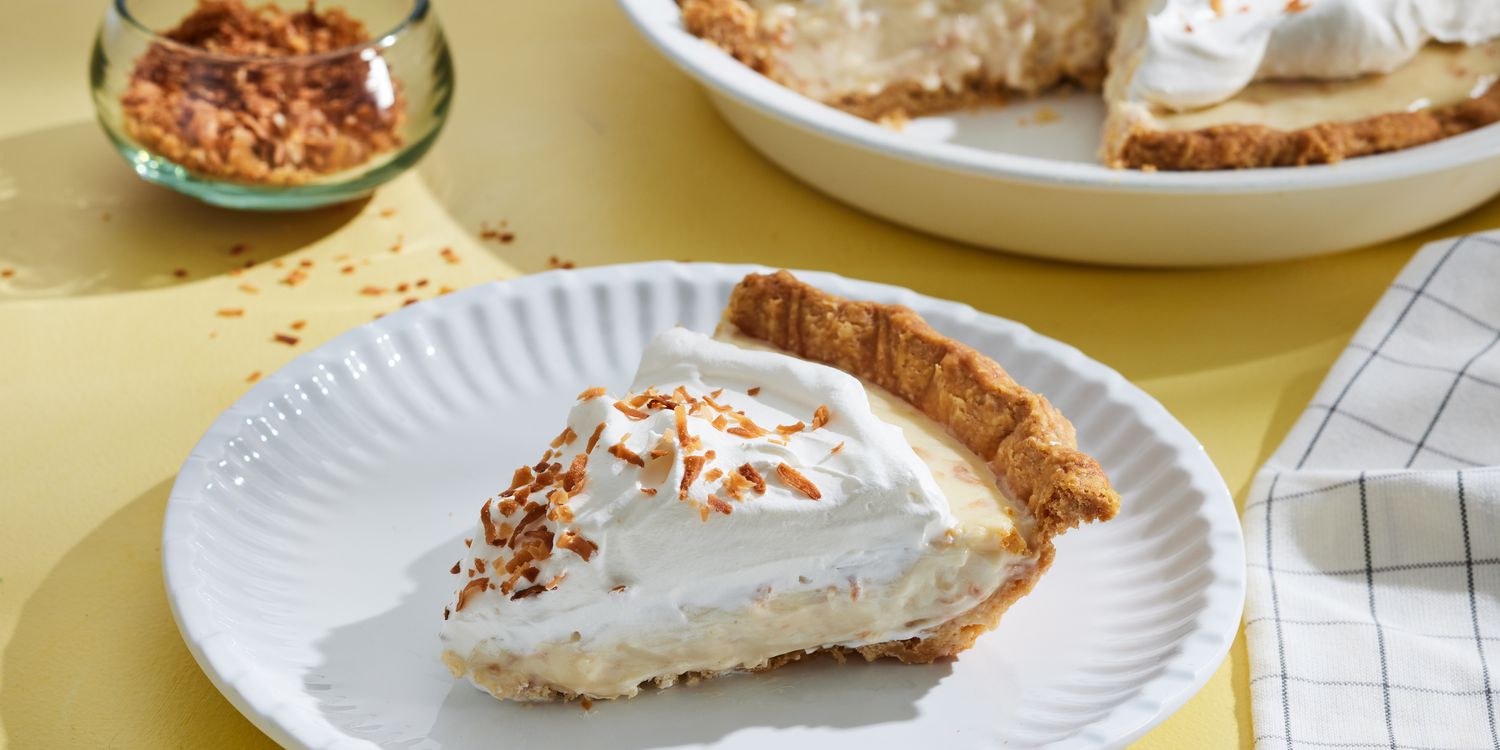
Master Toasted Coconut Cream Pie: An Unforgettable Culinary Journey
Imagine a dessert that transports you to a sun-drenched beach with every creamy, coconut-infused bite. A dessert so exquisite, it elicits gasps of delight and immediate requests for the recipe. This isn't just any coconut cream pie; this is the master toasted coconut cream pie recipe, a symphony of textures and flavors meticulously crafted to achieve pure dessert nirvana. Forget any restaurant version you've ever tried – once you experience this homemade masterpiece, your standards will be irrevocably raised.
For coconut aficionados, a good coconut cream pie is more than just a dessert; it's a dream. But a truly great one? That’s an experience. Our journey begins with a rich, velvety coconut custard, nestled in a perfectly flaky, golden crust, crowned with a majestic, "mile-high" cloud of homemade whipped cream, and finished with the irresistible crunch and deep flavor of toasted coconut flakes. This is a pie designed not just to satisfy a sweet craving, but to create lasting memories, perfect for grand entertaining or intimate family gatherings.
The Irresistible Allure of Toasted Coconut
While many coconut cream pies rely solely on raw coconut for their flavor, the secret to elevating this classic to a masterpiece lies in one crucial step: toasting the coconut. This simple technique transforms the humble coconut flake into something extraordinary, adding layers of nutty depth and an unparalleled aroma that permeates every component of the pie.
- Enhanced Flavor Profile: Toasting brings out the natural sugars and oils in the coconut, intensifying its tropical essence and adding a caramelized, nutty complexity that raw coconut simply can't achieve. This deep, nuanced flavor is essential for a truly unforgettable pie.
- Textural Harmony: Folded into the creamy custard, toasted coconut provides a delightful textural contrast, a gentle chewiness that breaks up the smooth richness. It also creates an inviting crunch when sprinkled generously over the whipped cream topping, adding an exciting dimension to each spoonful.
- Aromatic Impact: The act of toasting coconut fills your kitchen with an intoxicating fragrance, building anticipation long before the pie is even served. This sensory experience is part of what makes this particular coconut cream pie recipe so special.
You can use either sweetened or unsweetened shredded coconut for toasting, depending on your preference for sweetness. Unsweetened coconut, once toasted, lends a more profound, earthy depth, allowing the other sweet components to shine without becoming cloying. For the most impactful flavor, we recommend using full-fat coconut milk in your custard base, ensuring a coconut flavor that truly surges through every bite.
Crafting the Ethereal Custard: Secrets to Silky Perfection
The heart of any cream pie is its custard, and for our master coconut cream pie, achieving a silky, rich, and perfectly set custard is paramount. This isn't a task to be rushed; it's a careful dance of technique and temperature, resulting in a filling that's almost ethereal. Here are the tricks to making a custard that holds its shape beautifully yet melts in your mouth:
Scalding Milk: An Old-Fashioned Technique for Modern Flavor
One technique that makes a significant difference is scalding the milk. Popular in generations past, before pasteurization was common, this process involves heating milk just below its boiling point. For our custard, scalding doesn't just eliminate potential bacteria; it subtly changes the milk's proteins, enhancing its flavor and contributing to the custard's incredibly smooth texture. This foundational step is often overlooked but crucial for a superior coconut cream pie.
Aerating and Tempering Eggs: The Key to Smoothness
Custards, by definition, rely on eggs and heat for their thickening power. However, simply dumping eggs into hot milk is a recipe for scrambled eggs, not a smooth custard. Our method involves two critical steps:
- Aerating the Eggs: Before they meet the hot milk, the egg yolks (and often some whole eggs) are vigorously whisked with sugar and cornstarch. This aeration process incorporates air, making the mixture lighter and more voluminous, which contributes to the custard's final luxurious texture. The cornstarch, in particular, is vital for giving the filling enough structure to hold its shape when sliced, preventing a runny pie.
- Tempering the Eggs: This is arguably the most important step for preventing curdling. Tempering involves slowly drizzling a small amount of the hot, scalded milk into the aerated egg mixture while continuously whisking. This gradual introduction slowly raises the temperature of the eggs, bringing them to a similar heat level as the rest of the milk without cooking them abruptly. Once tempered, the warmed egg mixture can then be safely whisked back into the remaining hot milk, allowing the custard to thicken beautifully over gentle heat.
The result? A custard that's rich, luscious, and perfectly balanced in sweetness, with a pronounced coconut flavor that isn't overpowering. As one reference noted, custards shouldn't be overly sweet; the combination of sweetened coconut, sugar in the custard, and whipped cream means careful balancing is key to avoid a cloying pie.
The Perfect Ensemble: Flaky Crust and Cloud-Like Whipped Cream
No master coconut cream pie is complete without its supporting cast: a tender, flaky pie crust and a generous crown of homemade whipped cream.
A Crust That Crumbles, Not Cracks
While the custard and topping often steal the show, a truly exceptional pie starts from the ground up. Our coconut cream pie recipe calls for a homemade pie crust that is effortlessly flaky, providing a buttery, slightly crisp counterpoint to the creamy filling. Making a homemade crust might seem daunting, but it's often easier than perceived and yields a taste and texture far superior to store-bought alternatives. The effort truly pays off ten-fold when every element harmonizes perfectly.
"Mile-High" Whipped Cream: The Majestic Topping
The final flourish is a mountain of freshly whipped cream. Light, airy, and delicately sweetened, homemade whipped cream adds an incomparable richness and lightness that complements the dense custard. For a truly "mile-high" effect, ensure your cream, bowl, and whisk are well-chilled before whipping. A touch of vanilla extract can enhance the flavor, creating a perfect balance with the coconut. A generous sprinkle of extra toasted coconut flakes on top provides the ultimate visual appeal and a final burst of flavor and crunch.
Tips for Success and Make-Ahead Magic
This master coconut cream pie recipe might seem like it requires an all-day commitment, but its individual components can be prepared in advance, making it an ideal choice for entertaining. This is your go-to "So-and-so invited us to dinner tomorrow and asked that I bring dessert" dessert!
- Prep Ahead: The pie crust can be made and blind-baked a day or two in advance. The custard can also be prepared a day ahead, allowed to chill completely, and then poured into the prepared crust just before serving.
- Chill Time is Crucial: For the custard to set properly and the flavors to meld, allow ample chilling time – at least 4-6 hours, or preferably overnight. This ensures clean slices and a truly decadent texture.
- Whip Cream Last: Always whip your cream and assemble the pie a few hours before serving for the freshest taste and best presentation. Whipped cream tends to lose its volume over extended periods.
- Travels Well: Once assembled and chilled, this pie holds up beautifully for transport, making it a reliable crowd-pleaser for potlucks or dinner parties. Consider reading more about Easy Make-Ahead Coconut Cream Pie for Impressing Guests.
The joy of making this pie is seeing the reactions of your guests. That moment when they take their first bite, their eyes widen, and they exclaim, "Oh my gosh, this is the best coconut cream pie I’ve tasted! Did you make this? Can I have your recipe?" — that's when you know your effort has paid off ten-fold. This pie isn't just a dessert; it's a statement, a testament to the fact that homemade, when done with care and attention to detail, always triumphs.
Conclusion
From the subtle, nuanced flavors of a scalded milk custard to the robust, nutty crunch of toasted coconut and the airy lightness of homemade whipped cream, every element of this master toasted coconut cream pie is designed for an unforgettable experience. It's a classic elevated, a familiar favorite transformed into a showstopper that will be remembered long after the last slice is gone. So roll up your sleeves, embrace the culinary journey, and prepare to create the best coconut cream pie recipe you (and your lucky guests) will ever taste.
